




Table of Contents
October 7, 2012: Sri Lanka walked into the R. Premadasa Stadium in Colombo with a packed home crowd behind them and a chance to win their first World T20 title on home soil. West Indies, meanwhile, were facing a very different situation. They had already lost two early wickets in the final and, by the halfway stage of their innings, were struggling to put together a competitive total. What happened next turned one of the most difficult starts of the tournament into one of the most memorable World T20 final victories.
West Indies had won the toss and elected to bat, but their innings could hardly have started worse. Johnson Charles was dismissed by Angelo Mathews on the fifth ball of the match for 5, and Chris Gayle followed in the sixth over for just 3 after Ajantha Mendis trapped him lbw. By the end of the powerplay, West Indies were 14/2, with Sri Lanka's bowlers completely in control and the home crowd sensing an opportunity to see their team lift the trophy.
32/2 After 10 Overs
The pressure continued to build as the innings moved towards the halfway mark. West Indies needed 17 deliveries to score their first runs from the bat, and after 10 overs they were only 32/2. At that stage, a total around 100 looked far more realistic than anything close to 140, particularly with Ajantha Mendis bowling superbly and Sri Lanka's attack keeping the scoring under control.
Marlon Samuels, however, had stayed at the crease. Rather than trying to force the scoring immediately, he absorbed the pressure and began rebuilding the innings. Dwayne Bravo joined him and the pair eventually added 59 runs for the third wicket, giving West Indies the platform they desperately needed.
The match was still firmly in Sri Lanka's hands, but Samuels was beginning to change the momentum.
Then Samuels Took the Fight to Malinga
The first real signs of a West Indies counterattack came when Bravo pulled Akila Dananjaya for six. Samuels then began taking the game directly to Sri Lanka's premier bowlers, and the pressure suddenly shifted.
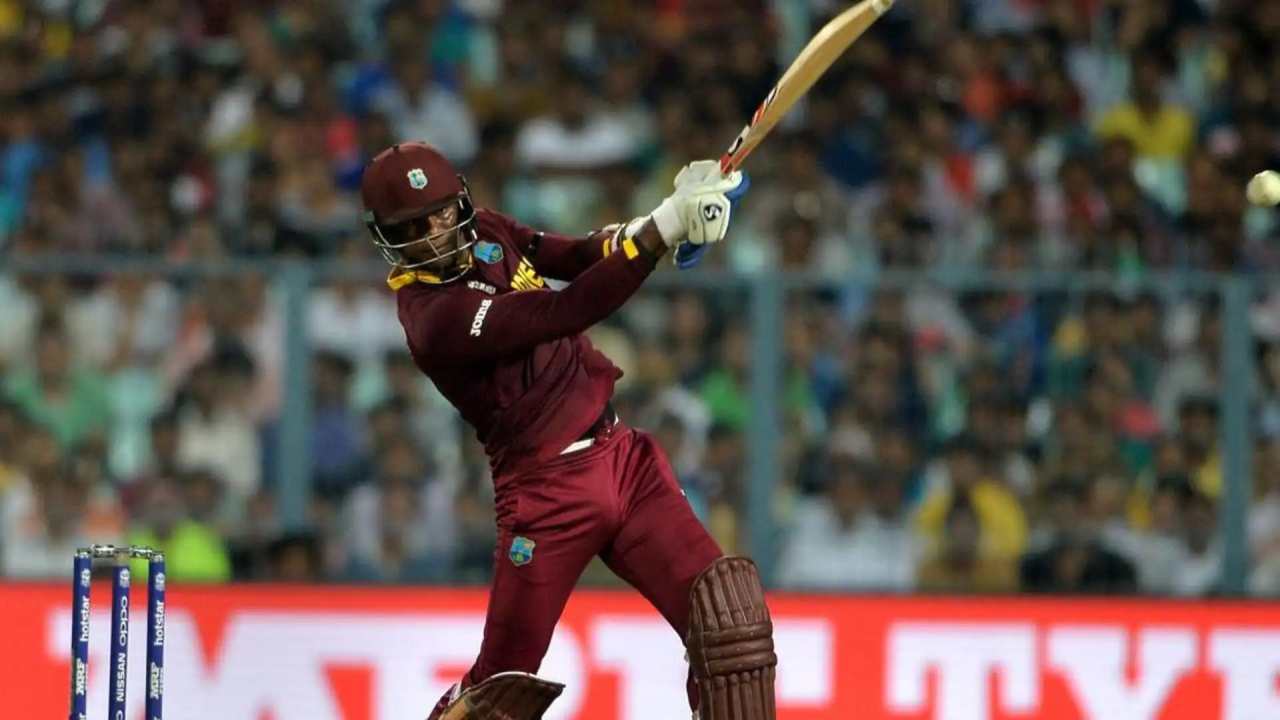
He attacked Lasith Malinga in spectacular fashion, hitting three sixes in the 13th over. Later, in the 17th over, Samuels struck Malinga for two consecutive sixes, helping take 19 runs from the over. Malinga, who was normally one of the most dangerous bowlers in the world in the closing stages of an innings, finished with extraordinary figures of 0/54 from his four overs.
Samuels eventually fell in the 18th over for 78 from 56 balls, but by then he had completely transformed the innings. His knock contained six sixes and three fours and had dragged West Indies from 32/2 after 10 overs to a competitive 137/6 from their 20 overs.
Ajantha Mendis was the standout bowler for Sri Lanka, finishing with 4/12, the best bowling figures in the match. But despite Mendis' exceptional spell and Sri Lanka's control for much of the innings, Samuels had done enough to give West Indies a total they could defend.
Sri Lanka's Chase Starts With Another Blow
Sri Lanka needed 138 to win the World T20 title, but their chase began badly. Ravi Rampaul removed Tillakaratne Dilshan for a duck in the second over, giving West Indies an immediate breakthrough.
Sri Lanka then tried to rebuild through Mahela Jayawardene and Kumar Sangakkara. The experienced pair put together a 42-run partnership, but they were unable to produce the acceleration required to keep up with the target. After eight overs, Sri Lanka were 39/1, and although the chase was still alive, West Indies were gradually tightening the pressure.
Samuel Badree then dismissed Sangakkara, while Darren Sammy removed Angelo Mathews. The wickets came at a crucial stage, and Sri Lanka suddenly found themselves struggling to find the partnerships required to take the final away from West Indies.
From 39/1 to 101 All Out
Once Sangakkara and Mathews were gone, Sri Lanka's innings began to unravel. The required scoring rate continued to rise while West Indies kept finding ways to create pressure, and the home side eventually lost seven wickets for just 70 runs.
Jayawardene top-scored with 33, but Sri Lanka could not find another substantial partnership. Nuwan Kulasekara provided a brief spark with a 26-ball cameo, but his dismissal left Sri Lanka's lower order exposed.
Sunil Narine then completed an outstanding spell, taking 3/9 from 3.4 overs. His crucial wicket of Kulasekara effectively ended Sri Lanka's hopes, and the hosts were eventually bowled out for 101 in 18.4 overs.
West Indies had won the final by 36 runs.
The Night West Indies Finally Became World Champions
The victory meant far more than simply winning another T20 match. West Indies had become world champions for the first time in the World Twenty20 era, and it was their first world title since the 1979 World Cup. Their previous ICC global triumph had come in the 2004 Champions Trophy, meaning this victory ended an eight-year wait for global silverware.
The route to the final had been unusual as well. West Indies became the first team to advance beyond the league phase of a World T20 without winning a game, progressing after an abandoned match against Ireland and then eventually making their way through the tournament. They defeated Australia in the semi-final before facing Sri Lanka in the final, despite having lost to Sri Lanka by nine wickets earlier in the Super Eights.
That made their turnaround in Colombo even more remarkable. They had entered the final against the hosts and tournament favourites, slipped to 14/2 and then 32/2, yet still managed to post 137/6 before bowling Sri Lanka out for 101.
Marlon Samuels Changed the Final
Marlon Samuels was named Player of the Match after scoring 78 from 56 balls and also taking 1/15 with the ball. His performance was not simply about the number of runs he scored; it was about when those runs came.
At 32/2 after 10 overs, West Indies were in serious trouble. Mendis was producing one of the best bowling spells of the final, Sri Lanka's other bowlers had kept the scoring under control, and the home crowd had every reason to believe their team was heading towards the trophy.
Samuels stayed there long enough for the innings to change. He rebuilt with Bravo, waited for his opportunities and then attacked when the chance came, particularly against Malinga. His sixes in the second half of the innings turned a total that had looked ordinary into one that suddenly gave West Indies a genuine chance.
The ICC's retrospective of the final also highlights how unlikely the position had looked earlier in the innings: West Indies took 17 balls to score their first runs from the bat and were only 32/2 after 10 overs before Samuels' 78 from 56 balls helped them reach 137/6.
On This Day: October 7, 2012
The 2012 World T20 final remains one of those matches where the scoreboard tells only part of the story. West Indies were 14/2 after the powerplay and 32/2 after 10 overs, while Ajantha Mendis finished with 4/12 and appeared to have Sri Lanka firmly in control. Then Samuels produced 78 from 56 balls, including six sixes and three fours, while Malinga endured a remarkable 0/54 from his four overs.
Sri Lanka's chase initially showed promise, but Rampaul removed Dilshan for a duck in the second over and the required acceleration never really arrived. Sri Lanka were 39/1 after eight overs before Sangakkara and Jayawardene departed in quick succession, and the innings eventually collapsed to 101 all out.
West Indies had won by 36 runs and lifted their first World T20 trophy. Samuels had provided the innings that changed the final, Narine had finished the job with 3/9, and a team that had looked almost out of the contest at 32/2 after 10 overs ended the night as world champions.
For West Indies cricket, it was a night of redemption and celebration. For Sri Lanka, it became another painful final defeat on home soil. And for Samuels, it remains the innings that turned a seemingly lost World T20 final completely on its head.