


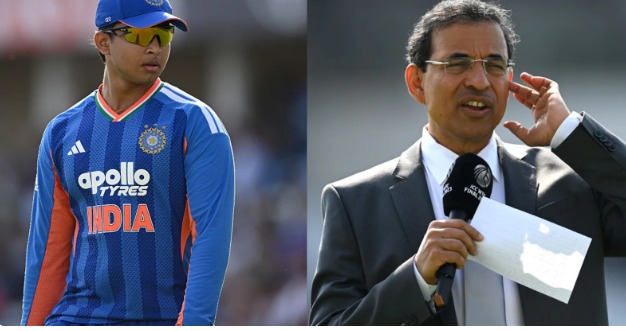
Harsha Bhogle has shared his opinion on Vaibhav Suryavanshi’s batting position in the ongoing T20 series against New Zealand.
He said, “Vaibhav Suryavanshi will have to bat at No. 3 because, in my understanding of life, when you come in as a replacement for someone, you can't upset everybody else for you to come in. So, it's a call that the team has to take, whether what you lose by Sanju Samson going from opening to No. 3 is made up by having Vaibhav Suryavanshi not at 3 but at No. 2. So, the question is, is it Suryavanshi or is it Samson-Suryavanshi or is it Suryavanshi-Samson? That is something that the team has to make that call.”
Bhogle’s opinion shows the importance of maintaining a balanced batting order while finding the best position for a young, aggressive batter. Promoting Suryavanshi to No. 3 could help India preserve the existing opening combination, but the team management must also consider whether he can make the most of his attacking strengths in that role. Ultimately, the decision will depend on the team's priorities and the best combination for India's T20 setup.
The discussion gained attention after Suryavanshi was promoted to No. 3 during India’s second T20I against New Zealand in Christchurch on October 24, 2026. The left-handed batter entered the playing XI after Ishan Kishan was ruled out with a groin injury. However, instead of opening alongside Abhishek Sharma, Suryavanshi was asked to bat in an unfamiliar position. He scored just 4 runs off 8 balls and looked uncomfortable.
Why Vaibhav Suryavanshi’s Batting Position Matters
Suryavanshi has gained attention for his fearless mindset and ability to attack bowlers from the beginning of an innings. Opening the batting allows him to take advantage of the powerplay, when fielding restrictions create chances for aggressive strokeplay.
However, changing the opening combination can affect the team's rhythm. Abhishek Sharma and Sanju Samson had already established themselves at the top of the order, giving the management a reason to retain their partnership rather than make another adjustment.
India ultimately defeated New Zealand by four wickets, reaching 181/6 while chasing 181. Tilak Varma’s unbeaten 51 off 26 balls helped the visitors complete the chase and take a 2-0 lead in the five-match series.
The result reflects India's batting depth, but Suryavanshi's position remains an important selection question. The management must decide whether to protect the successful opening combination or adjust the order to allow the youngster to play where he is most comfortable.
Ultimately, the challenge is to balance individual talent with team requirements. Giving Suryavanshi opportunities in a reliable role could help him develop, while maintaining stability will remain equally important. Team India is currently playing the 3rd T20 match against New Zealand at Wellington today.
Follow Cricketsky to watch live scores, IPL head-to-head and international head-to-head.